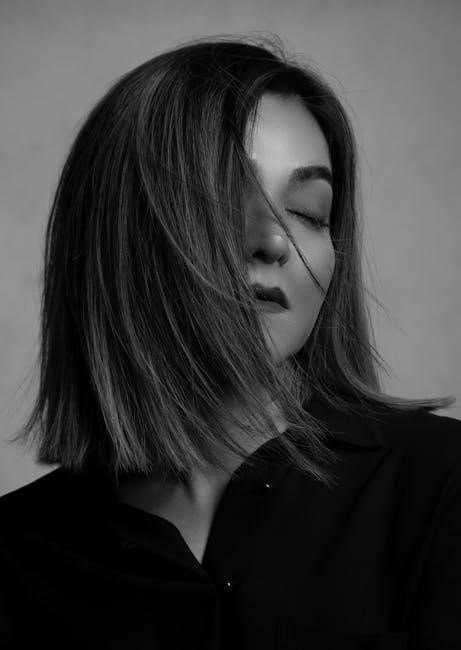
Hair Length Guide: Finding Your Perfect Cut
Finding the ideal hair length is a personal journey, guided by your face shape. This guide balances features, highlights angles, and boosts confidence with a perfect style.
Generally, oval faces suit almost any length, while round faces benefit from styles adding length and definition, creating a harmonious look for everyone.
Understanding Face Shapes
Unlocking the secret to a flattering hairstyle begins with understanding your face shape. It’s more than just aesthetics; it’s about creating balance and harmony between your features and your hair. Your face shape dictates how hair length and style will frame your face, emphasizing your best qualities and minimizing areas you might prefer to downplay.
Determining your face shape involves analyzing proportions – the length of your face, the width of your forehead, cheekbones, and jawline. It’s a surprisingly precise process, and knowing your shape empowers you to make informed decisions about everything from hair cuts to eyeglasses and makeup. This knowledge isn’t just about following trends; it’s about tailoring a look that genuinely complements you.
Several key face shapes exist, each with unique characteristics. These include oval, round, square, heart, diamond, oblong (or long), triangle (or pear), and even combinations thereof. Each shape responds differently to various hair lengths and styles. For instance, a diamond face, with its prominent cheekbones, often looks best with styles that soften the angles, while an oval face enjoys remarkable versatility.
Ultimately, understanding your face shape is the foundation for a confident and beautiful hairstyle. It’s the first step towards finding the perfect cut that enhances your natural beauty and makes you feel your best.
Determining Your Face Shape
Accurately identifying your face shape is crucial for selecting a hair length and style that truly flatters. Begin by standing in front of a mirror and pulling your hair back, ensuring your entire face is visible. Observe the overall outline of your face – is it wider, longer, or balanced?
Next, measure the following: your forehead width, cheekbone width, face length, and jawline width. Compare these measurements to identify dominant features. For example, if your face length is roughly one and a half times its width, and your forehead and jawline are similar in size, you likely have an oval face.
If your cheekbones are the widest part of your face, and your forehead and jawline are narrower, you might have a diamond face. A square face is characterized by a strong jawline and roughly equal width and length; Round faces have similar width and length, with soft curves and no prominent angles.
Online tools and apps can also assist in this process, offering visual guides and analyses. However, a careful self-assessment is often the most reliable method. Remember, it’s okay if your face doesn’t perfectly fit into one category – many people have combinations of shapes!
Oval Face Shape: The Most Versatile
Considered the most versatile face shape, oval faces are blessed with balanced proportions, allowing for a wide range of hair lengths and styles. The forehead and jawline are roughly equal in width, and the face length is about one and a half times the width. This harmonious balance means fewer restrictions when choosing a cut.
Almost any hair length – from a pixie cut to long, flowing locks – will complement an oval face. Shorter styles can accentuate cheekbones and jawlines, while longer lengths can enhance the overall symmetry. Layering is also a fantastic option, adding volume and movement without disrupting the balance.
However, avoid styles that completely cover the face, as they can hide your beautiful features. Side-swept bangs can soften the face, while a center part can highlight symmetry. Experiment with texture and volume to find what best suits your personality and hair type.
Ultimately, the key is to have fun and embrace the freedom that comes with an oval face shape. Don’t be afraid to try new things and discover what makes you feel most confident and beautiful!
Round Face Shape: Adding Length and Definition
For round faces, the goal is to create the illusion of length and definition. Characterized by similar width and length, and a fuller cheek area, round faces benefit from styles that elongate the face and add angles. Avoid cuts that add width at the sides, as this can emphasize the roundness.
Longer hair lengths, such as those falling below the shoulders, are generally more flattering. These lengths visually lengthen the face. If you prefer shorter hair, a chin-length bob or a layered pixie cut can work, but ensure there’s some height at the crown.
Layering is crucial for round faces. Long layers starting below the chin can create angles and movement, slimming the face. Side-swept bangs are also a great option, as they break up the roundness and add asymmetry. Avoid blunt bangs, which can make the face appear shorter and wider.
Volume at the roots is your friend! It adds height and elongates the face. Steer clear of one-length cuts with no layers, as they can accentuate the roundness. Embrace styles that draw the eye upwards and outwards, creating a more sculpted look.
Square Face Shape: Softening Angular Features
Square faces are defined by a strong jawline and broad forehead, often with similar width and length. The key to flattering a square face is to soften these angular features and create a more balanced appearance. Avoid harsh, geometric cuts that accentuate the jawline’s sharpness.
Medium to long hair lengths generally work best. These lengths help to soften the jawline and add curves. Shoulder-length or longer styles are ideal, offering versatility in styling. A lob (long bob) can also be effective, especially with layers.
Layers are essential for softening a square face. Soft, flowing layers that start around the jawline can help to break up the angularity. Side-swept bangs are also a fantastic choice, as they create a softer, more feminine look. Avoid blunt, straight-across bangs, which can emphasize the squareness.
Adding volume and texture is crucial. Waves and curls soften the angles and create a more approachable look. Avoid overly structured styles that mimic the face’s shape. Embrace styles that add movement and dimension, creating a harmonious balance.
Heart Face Shape: Balancing the Forehead and Chin
Heart-shaped faces are characterized by a wider forehead and cheekbones, narrowing down to a pointed chin. The goal when styling hair for this face shape is to balance the broader forehead with the narrower chin, creating a harmonious proportion. Styles that add width around the jawline are particularly flattering.
Medium-length hair, such as shoulder-length styles or lobs, often works exceptionally well. These lengths provide enough hair to create fullness around the chin without overwhelming the face. Long hair can also be beautiful, but ensure it’s styled to add volume at the jawline.
Layers are your friend! Long layers that begin around the cheekbones can soften the width of the forehead. Side-swept bangs are also a great option, drawing attention away from the forehead and towards the eyes. Avoid styles that add too much volume at the crown.
Chin-length bobs can be effective, especially when paired with a side part and soft waves. The key is to avoid styles that accentuate the pointed chin or make the forehead appear even wider. Focus on creating balance and softness through strategic layering and styling.

Diamond Face Shape: Highlighting Cheekbones
Diamond faces are defined by prominent cheekbones, with a narrower forehead and jawline. The aim with this face shape is to soften the angles and highlight those beautiful cheekbones, creating a balanced and flattering look. Styles that add width to the forehead and jawline are particularly effective.
Shorter to medium-length hair generally suits diamond faces best. Shoulder-length or collarbone-length cuts are ideal, as they provide enough hair to create fullness without overwhelming the face. Avoid styles that are too long, as they can make the face appear elongated.
Layers are crucial! Layers that start around the cheekbones will accentuate them, while softening the overall look. Side partings and sweeping fringes also work wonders, drawing attention to the eyes and cheekbones. Bangs can broaden the forehead, creating balance.
Bobs, especially those with texture and movement, are a fantastic choice. A textured bob can add width to the jawline, balancing the narrow chin. Avoid blunt cuts that emphasize the angles. The goal is to create a soft, harmonious look that celebrates the unique features of a diamond face.
Oblong/Long Face Shape: Adding Width
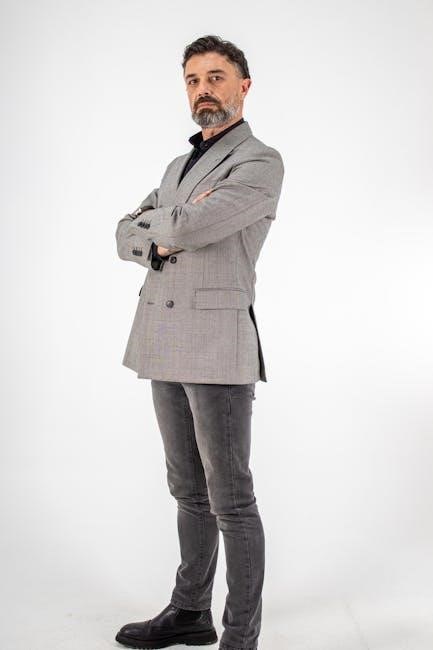
Oblong or long faces are characterized by their length, being significantly longer than they are wide. The primary styling goal is to visually shorten the face and add width, creating a more balanced proportion. This is achieved through strategic cuts and styles that emphasize horizontal lines and volume.
Medium-length hair, typically falling between the chin and shoulders, is often the most flattering for long faces. Avoid extremely long hair, as it can exacerbate the length. Shoulder-length layers that add volume at the sides are particularly effective in creating width.
Bangs are a fantastic tool for shortening the face. Side-swept bangs or blunt bangs can both work well, depending on personal preference. Curls and waves also add width and softness, breaking up the linear appearance of a long face.
Avoid styles that add height on top, as this will further elongate the face. Instead, focus on creating fullness at the sides. A lob (long bob) with layers is a versatile and stylish option. The key is to create a look that feels balanced and proportionate, minimizing the length and maximizing width.
Triangle/Pear Face Shape: Balancing the Jawline
Triangle or pear-shaped faces are wider at the jawline than at the forehead. The goal in styling this face shape is to balance the wider jaw and draw attention upwards, creating a more harmonious overall look. This is accomplished by adding volume and width at the forehead and temples.
Shorter to medium-length haircuts generally work best for triangle faces. A bob that sits around the chin or slightly above can help to visually balance the jawline. Layers that start around the cheekbones and add volume to the crown of the head are particularly flattering.
Side-swept bangs can also help to soften the jawline and draw attention to the eyes. Avoid haircuts that are very straight and sleek, as they can emphasize the width of the jaw. Texture and movement are key to creating a balanced look.

Longer lengths can be worn, but they require careful styling to avoid adding more weight to the lower face. Adding layers and volume at the top is crucial. The aim is to create a visual balance, minimizing the prominence of the jawline and highlighting the upper portion of the face.
Hair Lengths: A Comprehensive Overview
Hair length significantly impacts overall appearance and styling options; Choosing the right length considers face shape, hair texture, and lifestyle. This overview explores various hair lengths, from very short to long, detailing their characteristics and suitability.
Short hair, like pixies and bobs, offers a bold, low-maintenance look. Chin-length hair is a classic, chic option, versatile for various face shapes. Shoulder-length hair is universally flattering, providing a balance between manageability and styling potential.
Mid-length hair, falling at the collarbone, is incredibly versatile, allowing for updos and effortless waves. Long hair, extending below the shoulders, offers maximum styling options, from braids to flowing waves, but requires more maintenance.
Each length presents unique styling opportunities. Shorter lengths emphasize facial features, while longer lengths allow for more creative expression. Consider your daily routine and desired level of commitment when selecting a hair length. Ultimately, the best length is one that makes you feel confident and beautiful.
Short Hair Lengths (Pixie, Bob)
Short hair, encompassing pixies and bobs, delivers a modern, confident aesthetic. Pixie cuts, typically very short at the back and sides, offer a bold, edgy look, often requiring minimal styling. They beautifully accentuate facial features and are ideal for those seeking a low-maintenance style.
Bobs, ranging from chin-length to slightly longer, provide more versatility. Classic bobs are one-length, while layered bobs add volume and texture. An inverted bob, shorter in the back and longer in the front, creates a sleek, sophisticated appearance.
For diamond face shapes, shorter lengths work best, with shoulder or collarbone lengths being ideal. Short hair can soften angular features and draw attention to the eyes. When considering a short cut, discuss layering options with your stylist to enhance your face shape and hair texture.
These styles are fantastic for showcasing personality and are surprisingly adaptable to different hair textures. Remember to factor in your lifestyle and desired level of styling effort when choosing between a pixie or a bob.
Chin-Length Hair: Classic and Chic
Chin-length hair represents a timeless and versatile style, offering a blend of sophistication and manageability. This length typically falls right at the jawline, creating a polished and refined look suitable for various face shapes and hair textures.
A classic bob at this length is incredibly chic, easily styled straight, wavy, or with subtle layers for added volume. It’s a fantastic option for those wanting a noticeable change without committing to a dramatically shorter cut. This length beautifully frames the face, highlighting the jawline and cheekbones.
For individuals with round faces, a chin-length cut can help add length and definition, preventing the hair from widening the face. It’s also a great choice for those with finer hair, as it can create the illusion of fullness.
Consider side partings or sweeping fringes to further enhance the style and complement your features. Regular trims are essential to maintain the shape and prevent split ends, ensuring a consistently polished appearance.
Shoulder-Length Hair: Universally Flattering
Shoulder-length hair consistently ranks as one of the most universally flattering hair lengths, offering a sweet spot between short and long styles. Typically falling around the collarbone, this length provides versatility and suits a wide range of face shapes and hair types.
Its adaptability is a key strength; it can be worn straight, wavy, curly, or layered, allowing for diverse styling options. This length works particularly well for those with round or square faces, as it helps to soften angular features and add length to the face.
Adding subtle layers can enhance volume and movement, especially for those with finer hair. For thicker hair, shoulder-length cuts can help reduce bulk without sacrificing length. It’s a manageable length that doesn’t require extensive styling, yet still offers plenty of opportunities for creativity.
Experiment with different parting styles and textures to find what best complements your individual features. Regular trims are recommended to maintain the shape and prevent split ends, keeping your hair looking healthy and vibrant.
Mid-Length Hair (Collarbone Length)

Mid-length hair, typically hitting around the collarbone, represents a sophisticated and versatile option, bridging the gap between shoulder-length and longer styles. This length is incredibly adaptable, suiting various face shapes and hair textures, offering a balance of manageability and styling potential.
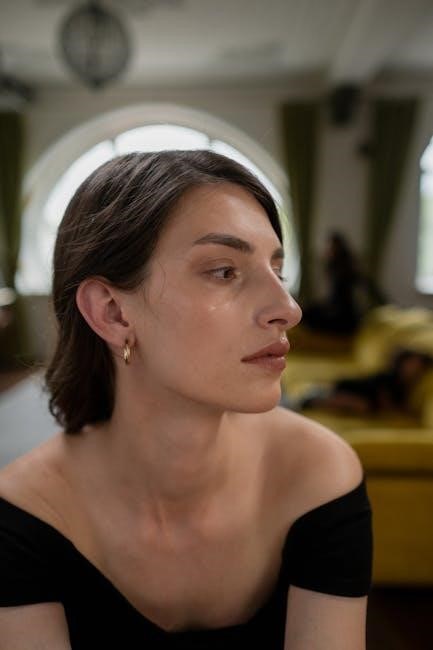
It’s particularly flattering for those seeking a low-maintenance yet stylish look. The collarbone length naturally draws attention to the neckline and shoulders, creating an elegant silhouette. Layers can be incorporated to add volume, movement, and dimension, enhancing the overall texture.
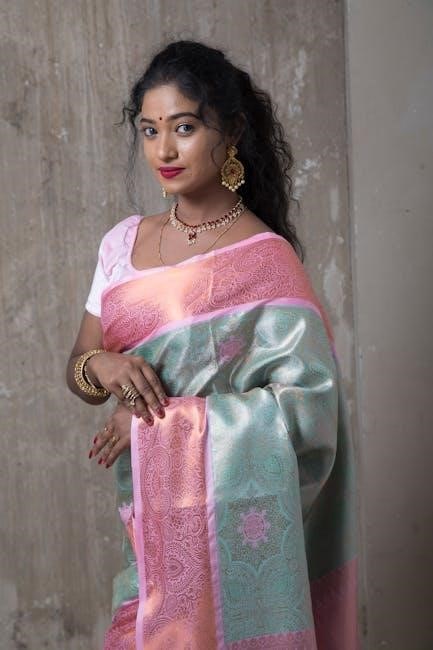
For individuals with round or square faces, this length can help elongate the face and soften angular features. Those with oval or heart-shaped faces can experiment with various layering techniques to accentuate their best features. It’s a great length for showcasing highlights or balayage.
Regular trims are essential to maintain the shape and prevent split ends, ensuring the hair remains healthy and vibrant. This length allows for effortless styling, from sleek and straight to textured waves, making it a popular choice for many.
Long Hair Lengths (Below the Shoulders)
Long hair, extending below the shoulders, embodies classic beauty and offers unparalleled styling versatility. This length allows for a wide range of looks, from flowing waves to intricate braids, making it a favorite for those who love to experiment with their style. However, it requires commitment to maintenance and care.
Generally, longer lengths suit oval, oblong, and heart-shaped faces, adding balance and enhancing features. Round or square faces can also rock long hair, but strategic layering is crucial to avoid emphasizing width or angularity. Layers create movement and prevent the hair from appearing heavy.
For fine hair, long lengths can sometimes appear thin, so incorporating layers and volumizing products is essential. Thick hair can handle long lengths beautifully, but may benefit from thinning to reduce weight and bulk. Regular deep conditioning treatments are vital to maintain health.
Long hair is a statement, projecting confidence and femininity. It’s a canvas for creativity, allowing for endless styling possibilities. Be prepared for the time investment required to keep it looking its best, but the results are often worth the effort.
Hair Texture and Length Considerations
Hair texture significantly impacts how a length will look and behave. Understanding your hair’s natural texture – fine, medium, or thick – is crucial when choosing a cut. Fine hair often benefits from shorter to medium lengths to create the illusion of volume, as longer lengths can appear sparse.
Thick hair can handle longer lengths, but may require layering to remove weight and prevent a bulky appearance. Without layers, thick hair can overwhelm the face. Medium textures are generally versatile and can pull off a wide range of lengths.
Wavy hair thrives with medium to long lengths, allowing the waves to form and cascade naturally. Layers enhance texture and prevent a triangular shape. Curly hair requires careful consideration; longer lengths showcase curls beautifully, but require moisture and definition.
Consider curl pattern – tighter curls need more length to avoid looking too short. Ultimately, the goal is to choose a length that complements your texture, enhancing its natural beauty and minimizing styling challenges. Proper products are also key!
Fine Hair: Creating Volume with Length
Fine hair often lacks natural volume, making length selection critical. While long hair is desirable, excessively long styles can weigh down fine strands, resulting in a flat, lifeless appearance. Shorter to medium lengths generally work best, creating the illusion of fullness.
A blunt cut, especially at the ends, can make hair appear thicker. Layers are beneficial, but should be subtle and strategically placed to avoid removing too much weight. Long layers starting around the chin can add movement without sacrificing density.
Pixie cuts and bobs are excellent choices for fine hair, providing lift and volume at the roots. For those preferring longer hair, a lob (long bob) hitting around the collarbone is a versatile option.

Styling products designed for volume, such as mousse and thickening sprays, are essential. Blow-drying upside down and using a round brush can also boost volume. Remember, the goal is to create lift and body without weighing the hair down.
Thick Hair: Managing Volume with Length
Thick hair presents a different challenge – managing volume rather than creating it. While many envy abundant hair, it can be overwhelming and difficult to style. The key is to utilize length and layering techniques to remove weight and shape the hair effectively.
Long hair can work well with thick textures, but requires strategic layering to prevent a bulky appearance. Long layers that start higher up can distribute the weight and create movement. A one-length cut, while seemingly simple, can appear too heavy and triangular.
Medium to long layers are ideal for thick hair, removing bulk without sacrificing length. Shorter layers around the face can soften features and add dimension. Texturizing techniques, like point cutting, can further refine the shape.
Avoid blunt cuts, as they can emphasize thickness and create an unflattering shape. Regular trims are crucial to maintain the hair’s shape and prevent split ends; Smoothing serums and lightweight styling products can help control frizz and manage volume.
Wavy Hair: Enhancing Texture with Length
Wavy hair thrives on length that allows its natural texture to shine. The goal is to enhance the waves, not fight them. Different lengths offer unique opportunities to showcase and define your wave pattern, creating a beautiful, effortless look.
Shoulder-length or slightly longer cuts are universally flattering for wavy hair. This length provides enough weight to encourage the waves to form, while still allowing for movement and versatility. Layers are essential to remove bulk and prevent a triangular shape.
Longer lengths, below the collarbone, can beautifully showcase waves, especially when paired with long, blended layers. These layers create dimension and prevent the hair from looking too heavy or shapeless.
Avoid overly short cuts, as they can make wavy hair appear frizzy and undefined. Using curl-enhancing products, like mousse or sea salt spray, can help define waves and control frizz. Air drying or diffusing are preferred methods to maintain texture and minimize damage.
Curly Hair: Length and Curl Pattern
Curly hair and length are intrinsically linked to the curl pattern itself. The tighter the curl, the more crucial length becomes for definition and preventing a disproportionate, overly voluminous shape. Understanding your curl type – from loose waves to tight coils – is paramount.
Shorter cuts can work for tighter curls (Type 3 & 4), but require skilled shaping to avoid a triangular silhouette. Medium lengths, like a shoulder-length cut, often provide the ideal balance, allowing curls to spring freely without excessive weight.
Longer lengths are stunning with curly hair, showcasing the full beauty of the curl pattern. However, they necessitate layers to remove weight and prevent the curls from becoming overwhelmed and losing their definition. Deep conditioning is vital to maintain moisture and health.
Avoid blunt cuts, which can make curls appear boxy. Embrace layers and shaping techniques that enhance the natural curl pattern. Curl-defining products, like creams and gels, are essential for maintaining moisture, reducing frizz, and creating beautifully defined curls.
Layering Techniques for Different Lengths
Layering is a transformative technique, adapting to various hair lengths to enhance texture, volume, and overall shape. For short hair, subtle layers add movement and prevent a blocky appearance, while more dramatic layers create a playful, textured look.
Chin-length and shoulder-length cuts benefit from long layers that blend seamlessly, adding dimension without sacrificing fullness. These layers encourage natural movement and can frame the face beautifully. Point-cutting techniques soften the ends, creating a more natural finish.
Mid-length hair (collarbone length) thrives with layers that start around the jawline, creating shape and preventing the hair from looking heavy. Face-framing layers are particularly flattering, highlighting cheekbones and softening features.
Long hair requires strategic layering to avoid a triangular shape. Long layers remove weight and add movement, while subtle layers around the face enhance features. Texturizing shears can further refine the layers, creating a softer, more natural look. Remember, the goal is to complement your face shape and hair texture.