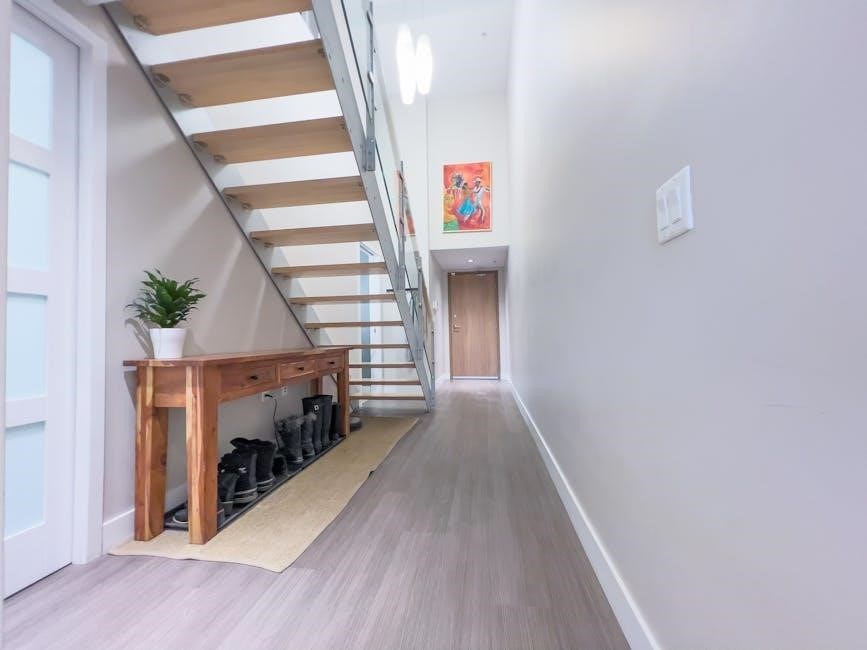
Entryway Rug Size Guide: A Comprehensive Overview (Updated 12/14/2025)
Navigating entryway rug dimensions is key to a welcoming home! Selecting the correct size ensures both style and functionality, creating a lasting first impression for guests.
Understanding the Importance of Entryway Rug Size
The entryway is the first impression of your home, and a properly sized rug is crucial. It’s more than just aesthetics; the right rug defines the space, protects flooring, and enhances safety.

A well-chosen rug visually anchors the entryway, creating a welcoming and organized feel. It prevents slips and falls, especially on hard surfaces, and shields your floors from dirt, debris, and wear. Getting the size right is paramount – too small, and it looks lost; too large, and it overwhelms the area.
Ideally, your rug should be at least as wide as your door, and preferably a bit wider, covering approximately 80% of the entryway’s width. This creates a balanced and inviting look. Consider the flow of traffic and furniture placement when determining the optimal length. A thoughtfully sized rug elevates the entire entryway, setting a positive tone for your home.
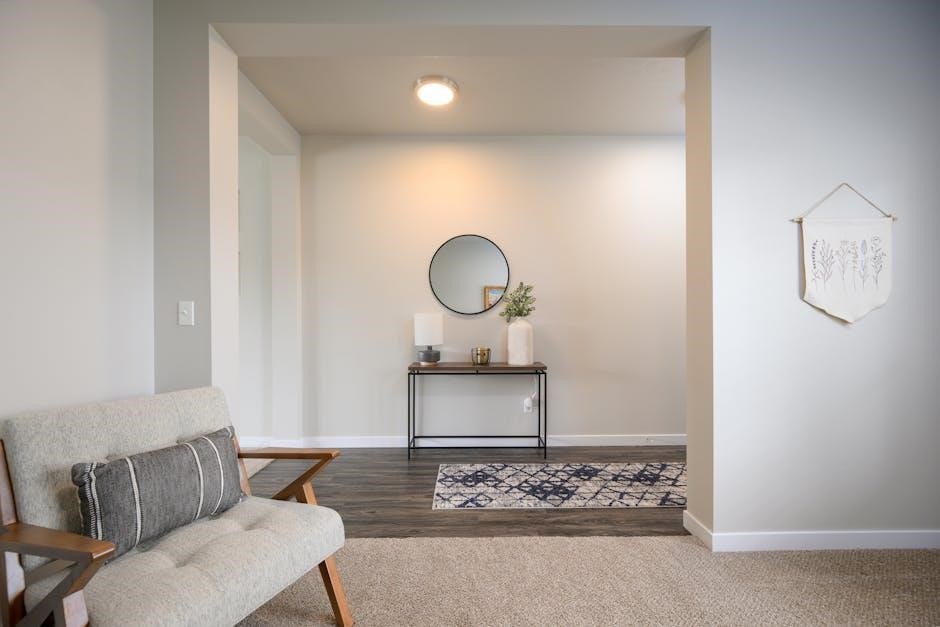
Key Considerations Before Measuring
Before grabbing a tape measure, several factors influence your entryway rug selection. First, assess the entryway’s layout – is it a defined foyer, a narrow hallway, or an open-plan space? This dictates the shape and size possibilities.
Consider foot traffic; high-traffic areas demand durable, easy-to-clean materials. Think about existing furniture, like consoles or benches, and how the rug will interact with them. Door swing is also vital – ensure the rug doesn’t obstruct the door’s path or become a tripping hazard.
Style plays a role too. A bold rug can be a statement piece, while a neutral one offers versatility. Finally, budget matters. Rug prices vary widely based on material, size, and construction. Careful consideration of these elements before measuring ensures you choose a rug that’s both beautiful and practical for your home.
Measuring Your Entryway Space

Accurate measurements are the foundation of successful rug selection. Begin by measuring the entryway’s width – the distance from wall to wall. Then, determine the length, measuring from the door’s threshold to the furthest point you want the rug to cover. Don’t forget to account for any architectural features like columns or alcoves.
Visualize the rug’s placement. Ideally, it should extend at least as wide as your door, and preferably a bit wider, for a balanced look. Note the available floor space around the entryway – you’ll want to leave a border of at least six inches of bare floor visible on all sides.
Sketch a rough diagram of your entryway, including measurements, to help visualize different rug sizes. This will prevent costly mistakes and ensure a perfect fit. Precise measurements are crucial for achieving a harmonious and inviting entryway.
Rug Size for Small Foyers (Under 4ft Wide)
Compact entryways demand rugs that maximize space without overwhelming it. For foyers less than four feet wide, a 3×5 rug is often the ideal choice, providing sufficient coverage while maintaining a sense of openness. These rugs define the entryway without making it feel cramped.
Alternatively, a 4×6 rug can work if you desire a slightly larger presence, but ensure it doesn’t completely fill the space; Leave a visible border of flooring around the rug to prevent a cluttered appearance. Prioritize rugs with simple patterns or solid colors to visually expand the area.
Remember, the goal is to create a welcoming zone, not block the pathway. Consider the door’s swing and ensure the rug doesn’t obstruct it. A well-chosen rug can transform a small foyer into a stylish and functional entry point.
3×5 Rugs: A Popular Choice for Compact Spaces
The 3×5 rug reigns supreme for smaller entryways, offering a practical and aesthetically pleasing solution. Its manageable size fits comfortably in tight spaces, defining the entryway without overwhelming the area. This size is particularly well-suited for apartments, condos, or homes with limited foyer space.
A 3×5 rug typically accommodates foot traffic while leaving ample flooring visible around the perimeter. This creates a balanced look and prevents the entryway from feeling enclosed. It’s an excellent option for catching dirt and debris, protecting your interior floors from wear and tear.
When selecting a 3×5 rug, consider its pattern and color. Lighter shades can visually expand the space, while bolder patterns add personality. Ensure the rug is proportionate to the entryway’s width and length for a harmonious appearance. It’s a versatile and cost-effective choice!
4×6 Rugs: Balancing Size and Functionality
The 4×6 rug strikes an ideal balance between providing ample coverage and maintaining a spacious feel in your entryway. This size is a versatile choice, working well in a variety of home layouts and offering enhanced functionality compared to smaller options.
A 4×6 rug can comfortably accommodate foot traffic, allowing space for guests to wipe their feet before entering your home. It’s large enough to anchor the entryway visually, defining the space and creating a welcoming atmosphere. This size is particularly suitable for standard-sized entryways, offering a proportional and balanced look.
Consider the rug’s material and design when making your selection. Durable materials like polypropylene or nylon are ideal for high-traffic areas, while patterns and colors can complement your home’s décor. Remember to leave at least six inches of exposed flooring around the rug’s edges for a polished finish.
Rug Size for Standard Entryways (4-6ft Wide)
For entryways measuring between 4 and 6 feet in width, selecting the right rug size is crucial for achieving a balanced and inviting space. These dimensions represent a common entryway size found in many homes, offering flexibility in rug choices.
A 4×6 rug is frequently considered ideal for standard entryways, providing sufficient coverage without overwhelming the area. Alternatively, a runner rug (approximately 2.5x8ft) can be an excellent option, particularly for narrower, longer entryways. The runner visually elongates the space and guides foot traffic effectively.
When choosing, prioritize a rug that’s at least as wide as your door, and ideally a bit wider, to create a welcoming feel. Ensure you maintain a 6-inch border of exposed flooring around the rug’s perimeter. This prevents the entryway from feeling cramped and enhances the overall aesthetic. Consider durability and easy cleaning for high-traffic zones.
The 4×6 Rug: Ideal for Most Homes
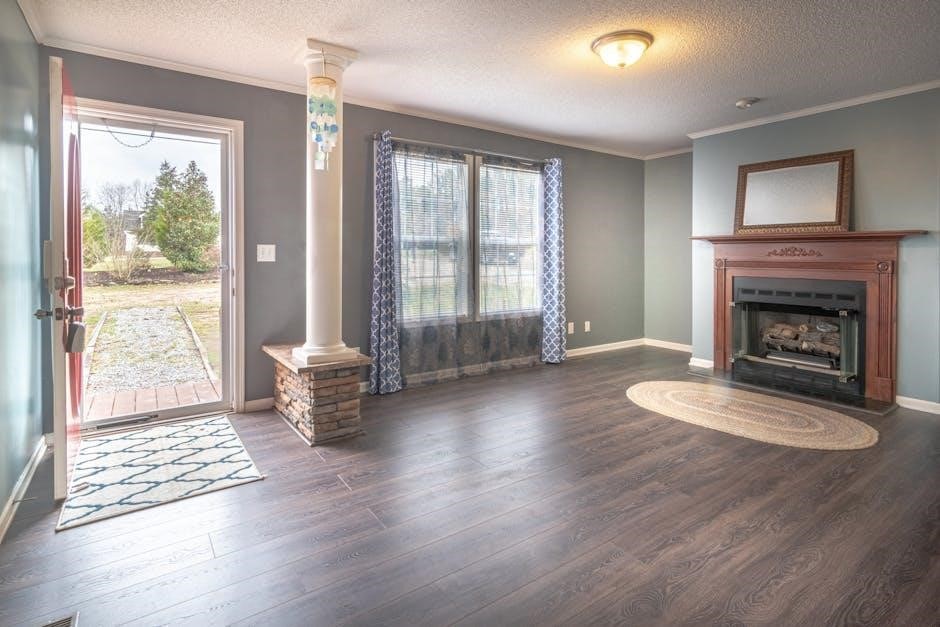
The 4×6 rug consistently emerges as a top choice for entryways, and for good reason – it strikes a perfect balance between size, functionality, and affordability. This versatile dimension works exceptionally well in standard-sized entryways, typically those spanning 4 to 6 feet in width, making it suitable for a wide range of homes.
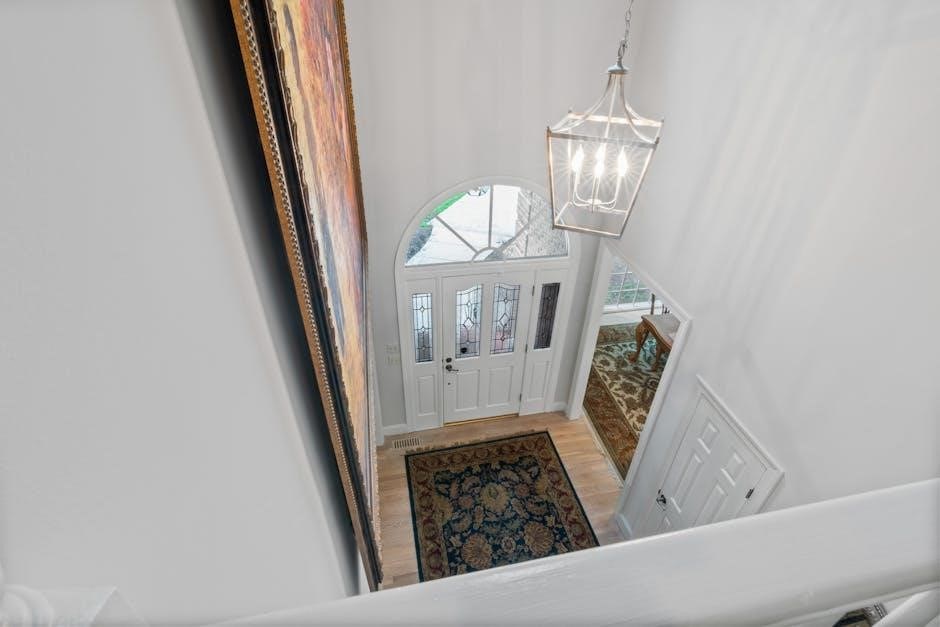
Its dimensions provide ample space for foot traffic while still leaving a comfortable border of exposed flooring, adhering to the recommended 6-inch rule. This prevents the entryway from feeling overly crowded. A 4×6 rug is large enough to anchor the space and define the entryway zone, creating a welcoming first impression.
Furthermore, this size accommodates the opening and closing of doors without obstruction. It’s a practical and stylish solution, available in numerous materials, patterns, and colors to complement any décor. It’s a safe bet for most homeowners seeking an easy entryway upgrade.
Runner Rugs (2.5x8ft): Perfect for Narrow Entryways
For hallways and narrow entryways where a standard-sized rug simply won’t fit, runner rugs (typically 2.5x8ft) offer an elegant and practical solution. These elongated rugs are specifically designed to navigate constricted spaces, providing both style and crucial floor protection in high-traffic zones.
Runner rugs effectively define the walkway, guiding visitors and adding visual interest to otherwise overlooked areas. Their length ensures ample coverage, preventing slips and protecting flooring from wear and tear. They are particularly beneficial in long, narrow entryways, creating a sense of flow and direction.
When selecting a runner, ensure it leaves sufficient space on either side for comfortable passage – again, the 6-inch rule applies. Consider the entryway’s length to determine the ideal runner length, avoiding tripping hazards. Runner rugs are available in diverse materials and designs, allowing for seamless integration with your home’s aesthetic.
Ensuring Proper Rug Placement: The 6-Inch Rule
Achieving a balanced and aesthetically pleasing entryway isn’t solely about rug size; proper placement is equally crucial. The universally recommended “6-inch rule” serves as a guiding principle for harmonious rug positioning, ensuring a visually appealing and functional space.
This rule dictates that you should leave at least 6 inches of bare floor visible around the perimeter of your rug. This border creates a defined frame, preventing the rug from appearing cramped or overwhelming the entryway. It also allows for easy door clearance and comfortable foot traffic.
Applying the 6-inch rule ensures the rug doesn’t obstruct the door’s swing or create a tripping hazard. It contributes to a sense of spaciousness, even in smaller entryways. Remember to consider the overall layout and furniture placement when applying this rule, adjusting as needed to maintain balance and visual harmony.
Rug Size for Larger Entryways (6-8ft Wide)
Entryways measuring between 6 and 8 feet in width offer greater flexibility in rug selection, allowing for more impactful design choices. A 5×7 rug is generally considered an excellent fit for this size space, providing ample coverage without overwhelming the area. This size comfortably accommodates foot traffic and visually anchors the entryway.
The 5×7 rug offers substantial coverage, extending beyond the immediate doorway and creating a welcoming zone. It’s large enough to define the entryway as a distinct space, particularly in open-plan layouts; Consider the shape of your entryway; a rectangular rug typically works best, aligning with the flow of traffic.
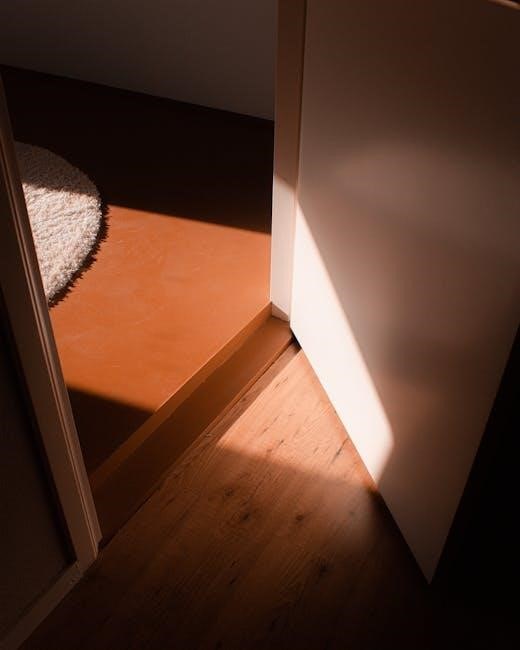
Don’t hesitate to layer a smaller accent rug on top for added texture and visual interest. Prioritize leaving at least 6 inches of bare floor around the rug’s perimeter, adhering to the placement rule for a balanced aesthetic.

5×7 Rugs: Providing Ample Coverage
A 5×7 rug strikes an ideal balance, offering substantial coverage for larger entryways while maintaining a proportionate look. This size is particularly well-suited for spaces around 6-8 feet wide, effectively defining the entryway and creating a welcoming first impression. It comfortably accommodates foot traffic and provides a visually grounding element.
The ample surface area of a 5×7 rug allows for more creative styling options, such as layering with smaller accent rugs for added texture and visual appeal. It’s large enough to anchor furniture pieces like a small bench or console table, further enhancing the entryway’s functionality.
Remember the 6-inch rule: ensure at least six inches of bare floor remains visible around the rug’s edges to prevent a cramped appearance. This creates a balanced and inviting space. A 5×7 rug is a versatile choice, blending practicality with aesthetic appeal.
Rug Size for Grand Entrances (8ft+ Wide)
For truly grand entrances exceeding 8 feet in width, an 8×10 rug is the definitive choice, making a powerful style statement. This substantial size is capable of anchoring the entire entryway, creating a luxurious and inviting atmosphere. It’s ideal when you want to make a significant design impact and showcase a bold aesthetic;
An 8×10 rug can comfortably accommodate larger furniture pieces, such as substantial benches, consoles, or even small seating areas, seamlessly integrating the entryway with adjacent living spaces. It establishes a clear transition and defines the area without feeling disproportionate.
This size is particularly effective in open-plan layouts, visually connecting the entryway to the rest of the home. Remember to maintain the 6-inch border around the rug for a balanced look, ensuring the space feels open and airy despite the rug’s generous dimensions.
8×10 Rugs: Making a Statement
An 8×10 rug isn’t just a floor covering; it’s a design declaration for grand entrances. This size exudes confidence and sophistication, instantly elevating the aesthetic of a spacious foyer. It’s the perfect choice for homeowners who want to create a memorable first impression and showcase their personal style.
The expansive nature of an 8×10 rug allows for creative layering and furniture arrangement. It can comfortably accommodate a console table, bench, and even a small accent chair, defining the entryway as a functional and welcoming space. This size is particularly well-suited for open-plan layouts, visually anchoring the entryway and creating a seamless flow into adjacent rooms.
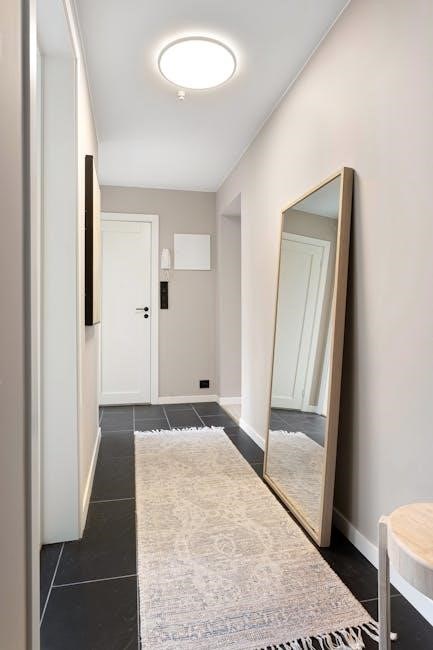
To maximize impact, consider a rug with a bold pattern or vibrant color palette. However, remember to maintain balance by ensuring at least 6 inches of bare floor around the perimeter of the rug, preventing it from overwhelming the space.
Open-Plan Entryways and Rug Selection
Open-plan living demands a thoughtful approach to entryway rug selection. Unlike confined foyers, these spaces require rugs that define the entry zone without disrupting the overall flow. The goal is to visually anchor the entryway and subtly separate it from adjoining areas like living or dining rooms.
For open layouts, larger rugs – such as 8×10 or even larger – often work best. These sizes provide ample coverage and create a clear demarcation between spaces. Consider the furniture arrangement in the adjacent rooms when choosing a rug size and style; aim for a cohesive look that complements the existing décor.
Alternatively, a runner rug can effectively define a long, narrow entryway within an open-plan space. The key is to select a rug that’s proportionate to the overall area and doesn’t feel lost or overwhelming. Remember to leave sufficient bare floor around the rug to maintain a sense of spaciousness.
Material Considerations for Entryway Rugs
Entryways endure high foot traffic and exposure to the elements, demanding durable rug materials. Prioritize resilience and ease of cleaning when making your selection. Natural fibers like wool offer excellent durability and a luxurious feel, but can be more susceptible to staining and require professional cleaning.
Synthetic materials, such as polypropylene and nylon, are exceptionally practical for entryways. They are stain-resistant, water-resistant, and easy to maintain – ideal for handling dirt, mud, and moisture. These materials also offer a wide range of styles and colors at a more affordable price point.
Consider jute or sisal for a natural, textured look, but be aware that these materials can be less forgiving to spills and may shed. Regardless of the material chosen, a rug with a low pile height is generally preferable, as it minimizes tripping hazards and simplifies vacuuming.
Non-Slip Backing: A Safety Essential
Prioritizing safety in the entryway is paramount, and a non-slip rug backing is non-negotiable. Entryways are high-traffic areas prone to slips and falls, especially with wet or polished flooring. A rug that slides can create a hazardous situation for you, your family, and guests.
Several options exist for ensuring rug stability. Look for rugs with a pre-attached rubber or latex backing. These provide excellent grip on most floor surfaces. Alternatively, you can purchase separate rug pads with non-slip properties. These pads offer an extra layer of cushioning and protection for your floors.
Ensure the rug pad is appropriately sized for your rug – slightly smaller than the rug’s dimensions to remain hidden; Regularly check the backing or pad to ensure it remains effective and hasn’t deteriorated. A secure rug contributes significantly to a safe and welcoming entryway.
Styling Tips Based on Rug Size
The size of your entryway rug dramatically influences the overall aesthetic. Smaller 3×5 rugs work best in minimalist spaces, complementing a simple console table and a small plant. For 4×6 rugs, consider layering with a smaller accent rug to add visual interest and define the space further.
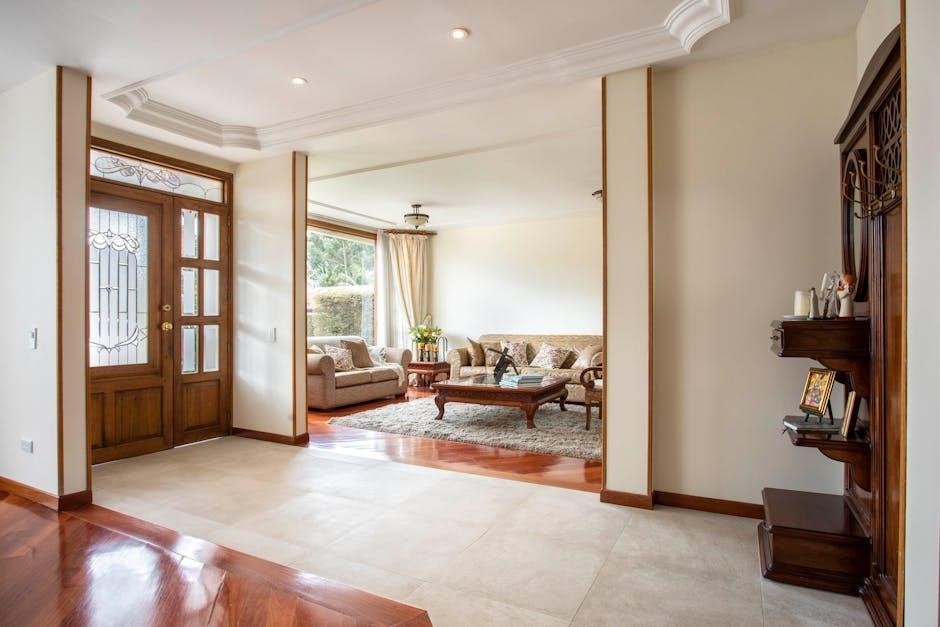
Runner rugs (2.5x8ft) are ideal for creating a sense of flow in narrow entryways, guiding the eye and adding warmth. Larger 5×7 or 8×10 rugs allow for more creative styling – anchor a seating area with a bench or chair, or showcase a statement piece of furniture.
Remember to maintain balance. Ensure the rug doesn’t overwhelm the space, leaving at least 6 inches of visible flooring around the perimeter; Coordinate the rug’s color and pattern with your entryway’s décor for a cohesive and inviting look. A well-chosen rug elevates the entire entryway.
Where to Buy Entryway Rugs
Finding the perfect entryway rug is easier than ever with numerous retail options. Major home improvement stores like Lowe’s and Home Depot offer a wide selection of affordable rugs in various sizes and styles. Department stores such as Macy’s and Nordstrom frequently feature designer rug collections.
For online shopping, consider retailers like Wayfair, Amazon, and Rugs USA, which boast extensive inventories and competitive pricing. Boutique rug stores, both online and brick-and-mortar, provide curated selections and expert advice. Don’t overlook discount retailers like Overstock for potential bargains.
Before purchasing, compare prices, read customer reviews, and check return policies. Consider the rug’s material and construction to ensure durability and suitability for high-traffic areas. Explore local markets and antique shops for unique, one-of-a-kind finds!