
Understanding how long food takes to digest is crucial for wellbeing, as complete digestion can span up to 24 hours, varying by food type and individual factors.
Each food possesses a unique digestive timeline before progressing through the intestinal tract, influenced by fatigue levels and eating order, impacting overall health.
This article presents a digestion time table for 16 common foods, offering insights into optimizing dietary choices for enhanced wellbeing and digestive efficiency.
The Digestive Process: An Overview
Digestion is a complex, multi-stage process transforming food into absorbable nutrients, beginning in the mouth and culminating in waste elimination. Mechanical digestion, like chewing, physically breaks down food, while chemical digestion utilizes enzymes to alter its molecular structure.

The entire process isn’t instantaneous; it’s a carefully orchestrated sequence taking anywhere from a few hours to a full day, depending on the food’s composition. Factors like individual metabolism, hydration levels, and even stress significantly influence digestive speed.
Understanding this process reveals why certain food combinations are easier to digest than others. For instance, pairing fats with proteins can slow digestion, while fruits generally pass through the system quickly. Recognizing these dynamics empowers informed dietary choices for optimal wellbeing and digestive comfort.
Factors Influencing Digestion Speed
Numerous elements beyond food type impact how quickly we digest. Individual metabolism plays a crucial role; faster metabolisms generally process food more efficiently. Hydration is paramount, as water aids in breaking down food and facilitating nutrient absorption.
Furthermore, physical activity boosts digestive motility, while stress can significantly hinder it, slowing down the entire process. The order in which foods are consumed also matters – combining easily digestible foods with more complex ones can optimize digestion.
Even factors like age and pre-existing health conditions can influence digestive speed. Recognizing these variables allows for personalized dietary adjustments, promoting better digestive health and overall wellbeing. Understanding these influences is key to optimizing nutrient uptake.
Importance of Understanding Digestion Times
Knowing how long foods linger in your system empowers informed dietary choices, directly impacting energy levels and overall health. Awareness of digestion times can alleviate common digestive discomforts like bloating, gas, and indigestion by guiding food combinations and portion sizes.
This knowledge facilitates better nutrient absorption, ensuring your body receives maximum benefit from each meal. It also supports weight management by revealing how different foods affect satiety and metabolic rate.
Ultimately, understanding digestion times fosters a deeper connection with your body, enabling you to tailor your diet to optimize digestive function and promote lasting wellbeing. It’s a foundational step towards a healthier, more balanced lifestyle.

The Digestive System: A Step-by-Step Journey
The digestive process unfolds through a series of organs, each playing a vital role in breaking down food and absorbing nutrients for bodily functions.
The Mouth: Initial Breakdown
Digestion commences in the mouth, a critical stage involving both mechanical and chemical processes. Mastication, or chewing, physically breaks down food into smaller particles, increasing the surface area for enzymatic action. Simultaneously, salivary glands release saliva, containing the enzyme amylase, initiating the breakdown of carbohydrates into simpler sugars.
This initial chemical digestion is crucial for efficient nutrient absorption later in the digestive tract. The tongue manipulates food, forming a bolus – a soft, rounded mass – ready for swallowing. This bolus is then propelled towards the pharynx, marking the beginning of the next phase of the digestive journey. The duration spent in the mouth, though seemingly brief, significantly impacts the overall digestive efficiency and subsequent nutrient uptake.
Effective chewing not only aids digestion but also stimulates the production of gastric juices in the stomach, preparing it for the incoming food.
The Esophagus: Transporting Food
Following the formation of the bolus in the mouth, the esophagus takes charge, acting as a crucial conduit between the oral cavity and the stomach. This muscular tube utilizes peristalsis – rhythmic, wave-like contractions – to propel the food downwards. These contractions ensure the bolus travels efficiently, regardless of body position, even against gravity.
The process isn’t merely a passive slide; it’s an active transport system. A sphincter, a circular muscle, at the lower end of the esophagus relaxes to allow the bolus to enter the stomach, then contracts to prevent stomach acid from flowing back up – a crucial function preventing heartburn. The transit time through the esophagus is relatively short, typically taking a few seconds, but it’s a vital step in the digestive process.
Efficient esophageal function is paramount for smooth digestion and preventing discomfort.
The Stomach: Churning and Acidification
Upon entering the stomach, food undergoes significant mechanical and chemical breakdown. The stomach’s muscular walls churn and mix the bolus with gastric juices, creating a semi-liquid mixture called chyme. This churning action aids in physically breaking down food particles, increasing their surface area for enzymatic action.
Gastric juices, containing hydrochloric acid and enzymes like pepsin, initiate protein digestion. Hydrochloric acid creates a highly acidic environment, essential for activating pepsin and killing harmful bacteria ingested with food. The stomach lining is protected from this acid by a mucus layer. The duration of food storage in the stomach varies, ranging from several hours depending on food composition.
This acidification and churning are fundamental to efficient digestion.
The Small Intestine: Nutrient Absorption
The small intestine is the primary site for nutrient absorption, a remarkably efficient process facilitated by its extensive surface area. This area is amplified by circular folds, villi, and microvilli, maximizing contact between digested food and the intestinal lining. Enzymes from the pancreas and bile from the liver further break down carbohydrates, proteins, and fats into absorbable molecules.
Nutrients pass through the intestinal walls and into the bloodstream, where they are transported throughout the body. Different sections of the small intestine specialize in absorbing specific nutrients. The jejunum and ileum are particularly crucial for absorbing vitamins, minerals, and remaining nutrients. This entire process can take several hours, depending on the meal’s composition.
Efficient absorption is vital for overall health.
The Large Intestine: Water Absorption & Waste Formation
Following nutrient absorption in the small intestine, undigested material moves into the large intestine, also known as the colon. Its primary function isn’t further digestion, but rather the absorption of water and electrolytes from the remaining indigestible matter. This process concentrates the waste material, transforming it into feces.
Beneficial bacteria residing in the large intestine play a crucial role, fermenting undigested carbohydrates and producing vitamins like vitamin K and some B vitamins. These bacteria also contribute to the formation of gas. The colon’s muscular contractions propel the waste towards the rectum.
Water absorption and waste compaction can take anywhere from 10 to 40 hours, depending on dietary fiber intake and individual factors.
The Rectum & Anus: Elimination
The rectum serves as the temporary storage site for feces before elimination. As the rectum fills, it triggers the urge to defecate. This sensation is communicated to the brain, and voluntary control allows for postponement until a convenient time and location are reached.
The anus, the final segment of the digestive tract, is controlled by two sphincter muscles: an internal involuntary sphincter and an external voluntary sphincter. Relaxation of these sphincters allows for the expulsion of feces from the body.
Efficient elimination is crucial for removing waste products and toxins. Factors like fiber intake, hydration, and physical activity significantly influence bowel regularity. Complete digestive transit, from ingestion to elimination, can take up to 24-72 hours.

Digestion Time Table for Common Foods
Below is a categorized overview detailing digestion durations for frequently consumed foods, ranging from quickly processed fruits to slower-digesting meats and dairy.
Fast-Digesting Foods (Less than 2 Hours)
These foods are easily broken down and quickly move through the digestive system, requiring minimal processing time; This rapid transit is due to their high water content and simple carbohydrate structures.
Fruits, such as watermelon and oranges, typically digest within 20-40 minutes, providing a quick energy boost. Their simple sugars are readily absorbed into the bloodstream.
Vegetables like lettuce and cucumbers also fall into this category, digesting in approximately 30-40 minutes; Their high fiber content, while beneficial, doesn’t significantly impede rapid digestion.
These options are ideal for those seeking easily digestible meals or needing a quick source of nutrients. They contribute to a feeling of lightness and avoid prolonged digestive strain, promoting overall comfort.
Fruits (e.g., Watermelon, Oranges) ⏤ Digestion Time
Fruits, celebrated for their vibrant flavors and essential vitamins, are among the fastest foods to digest, typically completing the process within 20 to 40 minutes. This swift digestion stems from their high water content and simple sugar composition – primarily fructose.
Watermelon, with its exceptionally high water percentage, passes through the digestive system remarkably quickly, offering rapid hydration and a light energy source. Similarly, oranges, rich in Vitamin C and easily digestible sugars, are processed efficiently.
The simplicity of their carbohydrate structure minimizes the digestive workload, allowing for quick absorption of nutrients. This makes fruits an excellent choice for a light snack or a pre-workout energy boost, promoting a feeling of vitality and ease.
Vegetables (e.g., Lettuce, Cucumbers) ‒ Digestion Time
Similar to fruits, many vegetables boast a relatively quick digestion time, generally ranging from 30 to 60 minutes. This efficiency is largely attributed to their high fiber and water content, facilitating smooth passage through the digestive tract. Leafy greens like lettuce are particularly easy to digest.
Cucumbers, composed of approximately 96% water, are exceptionally hydrating and rapidly processed, providing minimal digestive strain. These vegetables require less enzymatic breakdown compared to denser foods.
The fiber content aids in promoting regularity and supports a healthy gut microbiome, further enhancing digestive function. Incorporating these easily digestible vegetables into your diet can contribute to improved energy levels and overall wellbeing, offering a light and nourishing experience.
Moderate-Digesting Foods (2-4 Hours)
Foods falling into this category require a more substantial digestive effort than fruits and leafy vegetables, typically taking between two to four hours to fully process. This extended timeframe is due to their increased complexity and nutrient density, demanding more enzymatic action and intestinal transit time.
These include root vegetables, grains, and legumes, each presenting unique digestive challenges. Root vegetables, while nutritious, contain more complex carbohydrates and fibers. Grains, depending on their refinement level, necessitate varying degrees of breakdown.
Legumes, renowned for their protein content, require significant enzymatic activity to unlock their nutritional benefits. Proper chewing and adequate hydration are crucial for optimizing the digestion of these moderate-digesting foods, ensuring efficient nutrient absorption and minimizing digestive discomfort.
Root Vegetables (e.g., Carrots, Beets) ‒ Digestion Time
Root vegetables, encompassing carrots, beets, parsnips, and turnips, generally require approximately 30 to 60 minutes in the stomach for initial breakdown. Their fibrous nature and complex carbohydrate structure necessitate a moderate digestive effort. Following gastric emptying, they spend roughly 2 to 3 hours in the small intestine, where the majority of nutrient absorption occurs.
The digestion process involves enzymatic action breaking down starches into simpler sugars, and fiber contributing to gut health. Cooking methods influence digestibility; steaming or roasting preserves more nutrients than boiling;
Individual factors like metabolism and digestive health also play a role. Thorough chewing aids in pre-digestion, easing the burden on the stomach and intestines, ultimately optimizing nutrient uptake from these wholesome vegetables.
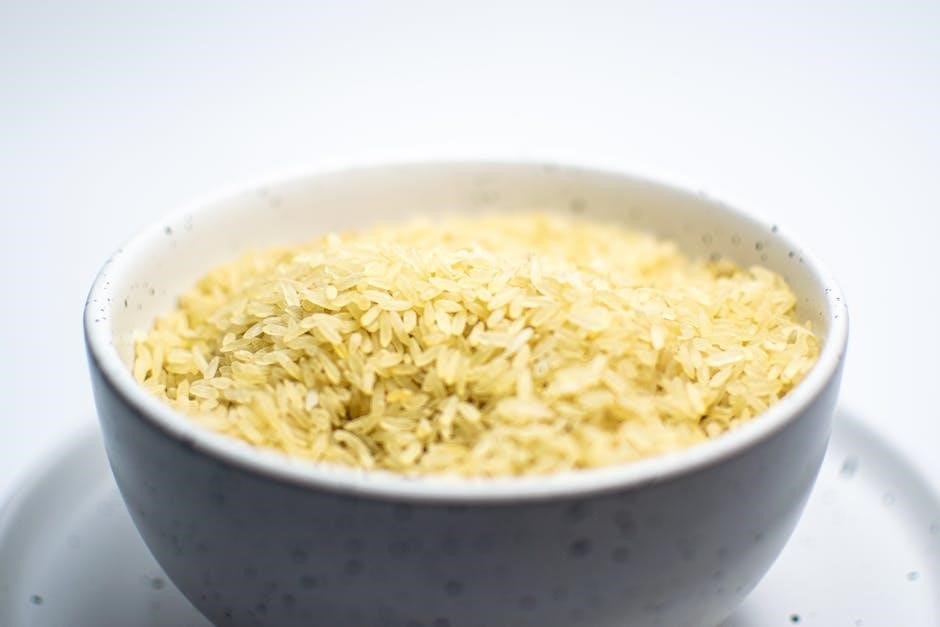
Grains (e.g., Rice, Oats) ⏤ Digestion Time
Grains, including rice, oats, wheat, and quinoa, present a moderate digestion challenge, typically taking between 2 to 4 hours for complete breakdown. The digestion begins in the mouth with salivary amylase initiating starch breakdown, continuing in the small intestine with pancreatic amylase.
Whole grains, rich in fiber, promote slower digestion and sustained energy release compared to refined grains. Cooking method impacts digestibility; well-cooked grains are easier to process.
Factors like grain type, processing level, and individual digestive efficiency influence the timeframe. Adequate hydration supports fiber’s role in smooth passage, while chewing thoroughly enhances initial starch breakdown, optimizing nutrient absorption from these staple foods.
Legumes (e.g., Lentils, Beans) ‒ Digestion Time
Legumes, encompassing lentils, beans, chickpeas, and peas, require a moderate digestion period, generally ranging from 2 to 4 hours. Their high fiber and complex carbohydrate content contribute to this timeframe, promoting satiety and regulating blood sugar levels.
However, legumes also contain oligosaccharides, which can cause gas and bloating in some individuals due to incomplete digestion in the small intestine. Soaking or sprouting legumes before cooking can reduce these compounds.
Thorough cooking is essential for optimal digestibility, breaking down complex structures. Individual gut bacteria play a role in fermenting undigested fibers, influencing digestion speed and comfort. Hydration aids fiber’s passage, while mindful chewing initiates the breakdown process.
Slow-Digesting Foods (4+ Hours)
Foods falling into this category – nuts, seeds, dairy, and most meats – demand a prolonged digestive process, often exceeding four hours, sometimes even reaching eight or more. This extended timeframe stems from their complex compositions: high fat content in nuts and meats, and casein protein in dairy.
Fats require significant enzymatic action for breakdown, while proteins necessitate complete amino acid separation. These foods provide sustained energy but can contribute to feelings of fullness for longer durations.
Efficient digestion of these items relies on adequate stomach acid production and pancreatic enzyme secretion. Combining them strategically with faster-digesting foods can optimize overall digestive flow and minimize discomfort. Proper chewing is also paramount for initiating breakdown.
Nuts & Seeds ‒ Digestion Time
Nuts and seeds, packed with healthy fats, proteins, and fiber, represent a significant digestive challenge, typically requiring 4 to 6 hours for complete breakdown. Their dense composition and tough outer layers necessitate extensive mechanical and enzymatic action.
The high fat content slows gastric emptying, meaning they remain in the stomach longer. Thorough chewing is absolutely crucial to initiate the process, increasing surface area for digestive enzymes to work effectively.
Factors like nut type (almonds vs. walnuts) and whether they are raw, roasted, or soaked can subtly influence digestion time. Soaking can partially break down phytic acid, potentially easing the digestive load. Proper hydration also aids in fiber processing.
Dairy Products (e.g., Milk, Cheese) ‒ Digestion Time
Dairy products, encompassing milk, yogurt, and cheese, generally take between 2 to 6 hours to digest, a timeframe heavily influenced by lactose content and individual lactose tolerance. The protein casein, prevalent in dairy, is notoriously slow to break down.
Hard cheeses, due to their concentrated protein and fat, require the longest digestion time, potentially exceeding 6 hours. Milk, with its lactose and whey proteins, digests faster, around 2-3 hours, though lactose intolerance can significantly prolong this.
Yogurt, containing beneficial bacteria, often aids digestion compared to milk, partially pre-digesting lactose. Individual gut microbiome composition plays a vital role; those with robust gut flora may process dairy more efficiently.
Meat (e.g., Chicken, Beef) ‒ Digestion Time
Meat, whether chicken, beef, pork, or lamb, represents one of the most challenging food groups for digestion, typically requiring 4 to 7+ hours for complete breakdown. This extended timeframe stems from the complex protein structures and higher fat content present in meat.
Red meats like beef and lamb generally take longer to digest than leaner poultry like chicken or turkey, due to their increased fat marbling. Thorough cooking aids initial protein denaturation, easing enzymatic action.
The digestive process involves substantial hydrochloric acid secretion in the stomach and prolonged exposure to proteolytic enzymes in the small intestine. Portion size significantly impacts digestion; larger portions demand extended processing time. Individual factors, like enzyme production, also play a role.
Specific Food Digestion Times ‒ Detailed Breakdown
Delving into macronutrient digestion – proteins, carbohydrates, and fats – reveals unique processes and timelines, impacting overall digestive efficiency and nutrient absorption rates.
Digestion of Proteins
Protein digestion is a complex process initiated in the stomach, where hydrochloric acid denatures proteins, unfolding their structures to expose peptide bonds. This prepares them for enzymatic breakdown. Pepsin, a key enzyme, begins cleaving these bonds, resulting in smaller polypeptide chains.

The partially digested proteins then move into the small intestine, where pancreatic enzymes – trypsin, chymotrypsin, and carboxypeptidase – further break them down into even smaller peptides and individual amino acids. These amino acids are then absorbed through the intestinal walls into the bloodstream for utilization by the body.
Digestion time for proteins is relatively lengthy, typically ranging from several hours, influenced by factors like protein source (animal vs. plant) and quantity consumed. Complete protein digestion can take upwards of 4-6 hours, making it a slower process compared to carbohydrates.
Digestion of Carbohydrates
Carbohydrate digestion commences in the mouth with salivary amylase, initiating the breakdown of starches into smaller sugars like maltose. This process is somewhat limited due to the short time food spends in the mouth. Further digestion occurs in the small intestine, where pancreatic amylase continues to break down starches into disaccharides.
Enzymes located on the intestinal lining, such as maltase, sucrase, and lactase, then hydrolyze these disaccharides into monosaccharides – glucose, fructose, and galactose – which are readily absorbed into the bloodstream. The speed of carbohydrate digestion varies based on complexity.
Simple carbohydrates digest rapidly, often within an hour, while complex carbohydrates, like those found in whole grains, take longer, potentially 2-3 hours or more, providing a sustained energy release. Fiber, a type of carbohydrate, is largely undigested.
Digestion of Fats
Fat digestion is a more complex process than carbohydrate or protein breakdown, primarily occurring in the small intestine. It begins with bile, produced by the liver and stored in the gallbladder, emulsifying fats into smaller droplets, increasing their surface area for enzymatic action.
Pancreatic lipase, an enzyme secreted by the pancreas, then breaks down these emulsified fats into fatty acids and glycerol. These components, along with cholesterol and fat-soluble vitamins, are absorbed into the intestinal cells.
Within the intestinal cells, fatty acids and glycerol are reassembled into triglycerides and packaged into chylomicrons, which enter the lymphatic system before eventually reaching the bloodstream. Fat digestion is relatively slow, often taking several hours – typically 4 or more – due to its complex nature and lower water solubility.
Optimizing Digestion for Better Wellbeing
Enhance digestive health through mindful food combinations, adequate hydration, stress management, and thorough chewing—key strategies for efficient nutrient absorption and overall vitality.
The Impact of Food Combinations on Digestion
Certain food pairings can either streamline or hinder the digestive process. Combining foods requiring vastly different digestive enzymes—like proteins and carbohydrates—can lead to fermentation and discomfort. For instance, consuming fruit alongside a heavy meal slows down fruit’s rapid digestion, potentially causing bloating.
Prioritizing simpler combinations, such as pairing fruits with other fruits or proteins with non-starchy vegetables, allows for more efficient breakdown. Avoiding excessive mixing of food types supports optimal enzyme activity and reduces digestive strain. Understanding these interactions empowers informed dietary choices, promoting better nutrient absorption and minimizing gastrointestinal distress.
Strategic food combining isn’t about rigid rules, but rather mindful awareness of how different foods interact within your digestive system, ultimately contributing to improved wellbeing.
The Role of Hydration in Digestion
Adequate water intake is paramount for efficient digestion, acting as a crucial component in breaking down food and facilitating nutrient absorption. Water softens stool, preventing constipation and ensuring smooth passage through the digestive tract. It also supports the production of digestive juices, essential for enzymatic breakdown of food particles.
Dehydration, conversely, can significantly impede digestion, leading to harder stools and increased digestive discomfort. Aiming for consistent hydration throughout the day, rather than large volumes at once, optimizes digestive function. Water aids in dissolving nutrients, enabling their transport to cells.
Prioritizing water consumption alongside meals and between them is a simple yet powerful strategy for supporting a healthy digestive system and overall wellbeing.
Stress and its Effect on Digestive Processes
Stress profoundly impacts the digestive system, often disrupting its delicate balance. When stressed, the body diverts energy away from digestion towards the “fight or flight” response, slowing down or even halting digestive processes. This can manifest as indigestion, bloating, constipation, or diarrhea.
Chronic stress can contribute to more serious digestive issues, such as Irritable Bowel Syndrome (IBS). The gut-brain connection is bidirectional; stress affects the gut, and gut health influences mood and stress levels.
Managing stress through techniques like mindfulness, meditation, yoga, or deep breathing exercises can significantly improve digestive function and overall wellbeing. Prioritizing relaxation and self-care supports a healthier gut and a more resilient digestive system.
Chewing Thoroughly: A Key to Efficient Digestion

Thorough chewing is the foundational step in efficient digestion, initiating the breakdown of food before it even reaches the stomach. This mechanical process increases the surface area of food particles, allowing digestive enzymes to work more effectively.
Saliva, released during chewing, contains enzymes like amylase, which begins carbohydrate digestion. Proper chewing also signals the stomach to prepare for incoming food, optimizing acid and enzyme production.
Insufficient chewing forces the stomach and intestines to work harder, potentially leading to indigestion, bloating, and nutrient malabsorption. Aim to chew each bite until it reaches a liquid consistency, promoting smoother digestion and enhanced nutrient uptake for optimal wellbeing.